A Samburu safari for photographers rewards patience. The dry landscape, doum palms, and Ewaso Nyiro river give you rare wildlife and strong compositions. Plan your drives around the low-angle light of early morning and late afternoon, and you will leave with images that look different from the usual savannah set.
Why Is a Samburu Safari for Photographers Worth the Trip?
Samburu suits wildlife photographers because its dry, open terrain, doum palms, rocky hills, and Ewaso Nyiro river create distinctive backgrounds, while the reserve supports northern species rarely seen together elsewhere in Kenya. The landscape provides both intimate wildlife portraits and environmental images, especially during the low-angle light of early morning and late afternoon.
Samburu National Reserve sits in Kenya’s north. It is not lush like the Maasai Mara, and that is part of the appeal. The open ground lets you isolate a subject against clean scrub or rock. The palms and hills add structure to wider scenes. The reserve is also connected to community conservancies, so your visit can support wildlife protection beyond the park boundary.
If you are weighing two classic Kenya destinations, our Masai Mara versus Samburu safari breakdown explains how the species, terrain, and light differ.
What Wildlife Can Photographers See in Samburu?
The main photographic draw is Samburu’s Special Five: Grevy’s zebra, reticulated giraffe, gerenuk, Beisa oryx, and Somali ostrich. Elephants, crocodiles, lions, leopards, cheetahs, and many birds add variety, but sightings are wild and seasonal; photographers should prioritise behaviour, composition, and time with subjects rather than expect every species on one drive.
The Special Five is a tourism label, but it points to real species that people travel to northern Kenya to see. Grevy’s zebra has narrow stripes and large, round ears. The reticulated giraffe carries a brick-like pattern. The gerenuk browses on its hind legs. The Beisa oryx has long, straight horns and bold face stripes. The Somali ostrich shows blue-grey legs.
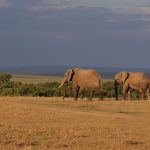
None of these animals is guaranteed on a single drive. Wild sightings shift with water and grazing. Spend time along the river, let your guide read the tracks, and keep your camera ready. On a quiet morning you may catch elephants drinking, crocodiles sliding into the water, and a dozen bird species from the vehicle.
If you are also thinking about other dry-country parks, the Samburu versus Tsavo safari comparison can help you decide where to point the lens.
What Is the Best Time for a Samburu Photography Safari?
June to October is generally strongest for predictable wildlife viewing, clearer skies, and active animals around remaining water, while March to May and November bring greener scenery, dramatic skies, and stronger landscape images but more difficult roads and occasional rain. December to early February can offer a quieter, greener dry spell between rains, making it a useful compromise for photographers.
Use this table as a rough planning sheet. Ratings are relative, not guarantees.
| Season | Wildlife photography | Landscape photography | Road conditions |
|---|---|---|---|
| June to October | High, especially around water | Clear mornings; haze by midday | Usually good |
| November | Moderate; rain changes patterns | Green returns; dramatic clouds | Variable after rain |
| December to early February | Good; quieter parks | Dry grass and soft light | Usually manageable |
| March to May | Moderate after rains | Lush scenery and storm skies | Slower; some muddy roads |
Cloud cover is your friend. A partly cloudy morning spreads the light and softens shadows on animal coats and doum palms. In the dry months, heat haze can build by mid-morning, so plan to be in position early and again from late afternoon.
Where Are the Best Photography Locations in Samburu?
The Ewaso Nyiro river corridor is the most consistent starting point for elephants, birds, crocodiles, reflections, and drinking behaviour, but it can attract the most vehicles. Move to the plains for Grevy’s zebra, oryx, giraffe, and ostrich; use Koitogor and Ololokwe viewpoints for landscapes and sunrise or sunset. Reteti adds a conservation-focused photographic stop when included in the route.
The river is the anchor of the reserve. Elephants cross the shallows, and reflections can be strong at first light. Expect other vehicles at popular points. A skilled guide can find quieter sections, but you still need to wait and watch.
The open plains work best for herd shots. Grevy’s zebra and oryx often stand in small groups, and a longer lens can compress the distance between animals and the hills behind them. Gerenuk usually appear near thorn scrub and palms.
Koitogor and Ololokwe are viewpoints worth sharing with your guide. They offer broad views for sunrise and can hold your interest even when animals are spread out.
Reteti Elephant Sanctuary lies north of the reserve in a community conservancy. It is not a zoo, and rules are strict. Photograph it with the same respect you would show wild animals: keep quiet, follow staff guidance, and let the team decide what is allowed.
What Camera Gear and Settings Should You Take to Samburu?
A 400mm or 500mm telephoto paired with a 100 to 400mm zoom covers portraits, distant action, and environmental wildlife images; a second body reduces lens changes in dust. Start around 1/1000 second for moving subjects, adjust ISO as light falls, use continuous autofocus, and carry spare batteries, memory cards, a blower, and dust protection. A beanbag is usually more practical than a tripod in a safari vehicle.
In Samburu, dust is a bigger enemy than rain. Keep your camera in a padded bag when you are not shooting. Use a blower for sensor dust, and seal memory cards in a small pouch.
A 100 to 400mm zoom is forgiving in a vehicle. You can frame a full elephant or a tight portrait without changing lenses. If you prefer a fixed telephoto, keep a second body ready with a normal lens for landscapes and camp scenes.
A beanbag on the window can support a long lens and still let you react quickly. For the non-camera items that are easy to forget, see our packing list for a Kenya safari.
How Many Days Do You Need for a Samburu Photography Safari?
Allow at least three nights for a serious Samburu photography trip, with dawn and late-afternoon drives timed around the best light rather than a rushed checklist of sightings. A stay of five to seven days gives more time for changing behaviour, weather, and compositions; specialist trips commonly slow the pace further and limit vehicle numbers or photographers per vehicle.
Build each day around three blocks: first light to mid-morning, midday rest, then late afternoon to dark. The middle hours are useful for reviewing images, backing up files, and saving energy. A camp near the river or the reserve gate cuts travel time and gives you more minutes in the field.
Ask about vehicle policy when you compare packages. Some specialist trips use open-sided vehicles or cap the number of photographers per car. If you want to add rhino habitat to the same route, see Ol Pejeta versus Samburu safari for planning ideas.
How Do You Photograph People and Wildlife Responsibly in Samburu?
Responsible photography means keeping a respectful distance, never pressuring animals for a photograph, avoiding blocked sightings, and following the guide’s instructions around river crossings and predators. Ask permission before photographing people, pay fairly for cultural visits, and choose operators or conservancies that support local communities and wildlife protection. Conservation-led visits such as Reteti can add meaning without turning wildlife care into a staged encounter.
Photography should not disturb the scene you are trying to record. Do not ask your guide to move closer if it causes stress. When you photograph Samburu people, introduce yourself, ask first, and wait for consent. Fair payment for a cultural visit is normal and respectful.
Community conservancies such as Namunyak and Westgate are part of the protection network around the reserve. Choosing a camp or operator that works with these areas helps ensure that tourism income supports local wildlife protection.
What Are the Most Common Samburu Photography Questions?
Photographers most often ask whether Samburu is worth the detour, which animals to expect, when to go, what gear to pack, and how many nights to book. The direct answers below cover those planning essentials.
Is Samburu Good for Photography?
Yes. Samburu combines rare northern Kenyan wildlife with dramatic dryland scenery, doum palms, riverbeds, rocky hills, and strong dawn and dusk light. It is particularly valuable for photographers who want distinctive subjects such as Grevy’s zebra, reticulated giraffe, gerenuk, Beisa oryx, and Somali ostrich.
What Animals Can You Photograph in Samburu?
Photographers can look for Samburu’s Special Five: Grevy’s zebra, reticulated giraffe, gerenuk, Beisa oryx, and Somali ostrich. Elephants, lions, leopards, cheetahs, crocodiles, and abundant birdlife also occur, although sightings and behaviour cannot be guaranteed on any safari.
What Is the Best Time to Visit Samburu for Photography?
June to October is usually best for wildlife photography because animals are easier to track around water and the weather is generally drier. The rainy periods can be better for green landscapes, dramatic clouds, and softer light, but rain may make some roads slower or less reliable.
What Camera Gear Should I Take to Samburu?
Take a telephoto lens, ideally around 400mm to 600mm, plus a flexible zoom such as 100 to 400mm for environmental portraits and closer encounters. Bring spare batteries, memory cards, a sensor blower, dust bags, and a beanbag; a two-body setup helps reduce lens changes in dusty conditions.
How Many Days Do You Need for a Samburu Safari?
Three nights is a practical minimum for photographers, providing several morning and afternoon drives. Five or more days create better opportunities for changing light, rare species, animal behaviour, and quieter locations away from the busiest river viewpoints.
What Are Your Next Steps for a Samburu Photography Trip?
A Samburu safari for photographers works best when the camp, season, and guide match your goals. Review current road access and vehicle policies before you commit. To compare safari operators and browse packages, check the partner directory at touringinsights.com, where you can find FindMySafari, Valley Safaris, and Trunktrails Safaris.
Where Can You Find More Safari Planning Resources?
- Samburu map and Special Five from SafariPure
- Samburu National Reserve guide from Trunktrails Safaris
- Map of Samburu from Valley Safaris
- Samburu destination guide on FindMySafari